Address
304 North Cardinal
St. Dorchester Center, MA 02124
Work Hours
Monday to Friday: 7AM - 7PM
Weekend: 10AM - 5PM
Address
304 North Cardinal
St. Dorchester Center, MA 02124
Work Hours
Monday to Friday: 7AM - 7PM
Weekend: 10AM - 5PM


From 4-inch needle files for jewelry work to 14-inch mill bastards for heavy stock removal, we make 47 different profiles.

Forget plastic grips that crack or slip when you’re sweating. Our hickory handles are turned from single pieces of heartwood.

Our double-cut patterns are machine-precise, creating aggressive bite that removes material faster.
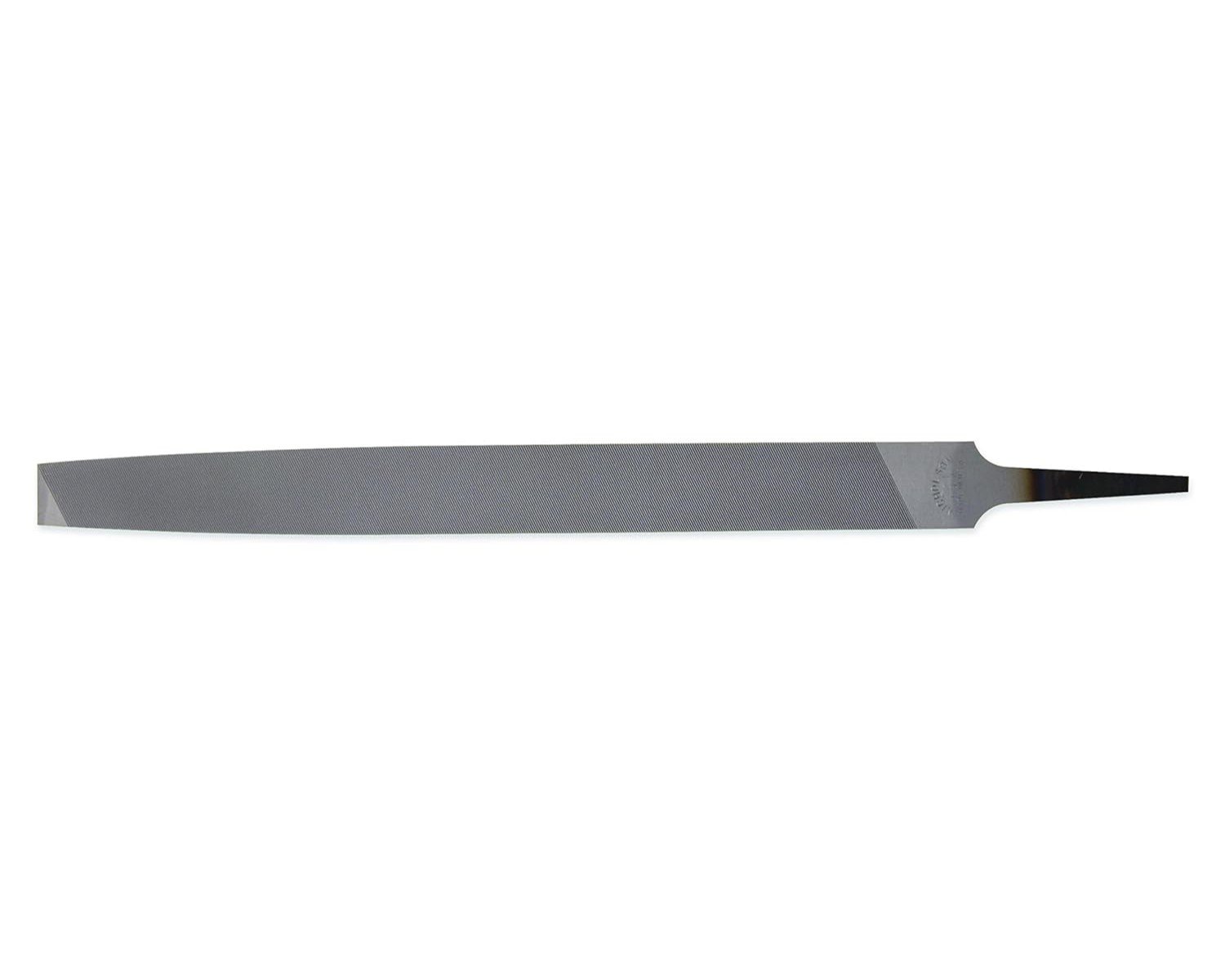
Rectangular file designed for sharpening mills or circular saws, draw filing, and finishing metal, with a tapered width for easier access into grooves.

Nicholson 10″ mill bastard cut file with a red handle, carded. An American pattern file designed for general material removal, suitable for sharpening mill or circular saws.
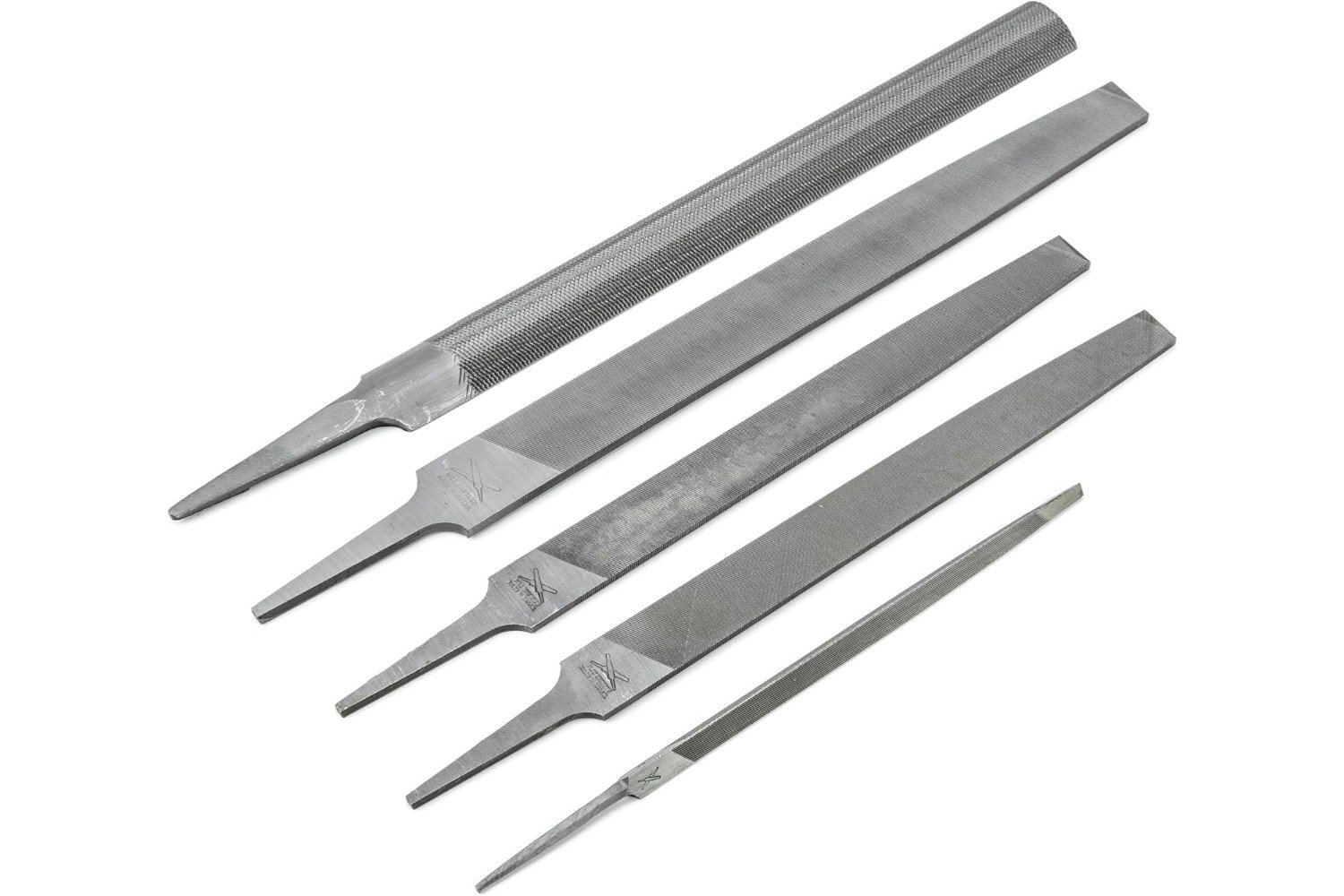
Bastard-cut files are designed for tough shaping tasks where speed matters. With their coarse teeth, they can remove large amounts of material from metal, wood, or plastic.

Ergonomic co-molded handles with an anniversary design offer a secure, comfortable grip that helps improve productivity and minimize hand fatigue.

A general-purpose tool designed for both home and professional use, featuring rubber-coated ergonomic handles for improved comfort and control.

The triangular shape allows easy access to tight internal angles and squaring corners, while the single cut construction is ideal for sharpening tools, finish filing, and draw filing.
Fresh metalworking insights and practical workshop advice arrive every Thursday morning.


Nicholson Files started in a dusty workshop where three generations of craftspeople wore through countless cheap tools before deciding enough was enough. We make precision files and rasps for people who shape metal, wood, and their own futures with their hands. Every tool we produce goes through the same brutal testing our founder put his prototypes through — because if it can’t survive a month in a working shop, it shouldn’t have our name on it.
Our files aren’t pretty, and they’re not trying to be. The handles are shaped by actual use patterns, not focus groups. The steel blend took four years to perfect, not because we’re slow, but because we kept sending prototypes to blacksmiths, luthiers, and machinists who had no problem telling us exactly what was wrong. What emerged was a tool that cuts true on the first stroke and the ten-thousandth, that feels right in your hand after eight hours, and that you’ll probably hand down to someone who’ll appreciate it just as much.
We’re still in that same workshop, just bigger now. The walls are still covered in tested-to-destruction prototypes, and every Monday morning still starts with coffee and complaints about what needs to be better. Some companies chase innovation; we chase the nod of approval from the machinist who’s been using the same file since 1987. When someone picks up a Nicholson File, we want them to forget they’re holding it — because the best tools disappear into the work.
“The tang on these files holds up after months of heavy metalwork. I’ve tried cheaper alternatives that snap at the handle or lose their teeth within weeks, but nothing matches the bite and longevity of a genuine Nicholson. The 10-inch mill bastard file cuts through steel like it’s aluminum, and the teeth are still sharp after reshaping dozens of machine parts.”
“Finally, a rasp that doesn’t clog up on green wood. My Nicholson has become the only file I reach for when shaping guitar necks. The coarse side removes material fast without tearing the grain, and I can switch to the fine side for final shaping without changing tools. After six months of daily use in my luthier shop, it still cuts as aggressively as day one.”
“The difference in surface finish is night and day. My restoration work on antique furniture requires precision, and these files deliver consistent results without gouging. I particularly love the half-round bastard file for cleaning up mortise and tenon joints. The American-made quality shows in how evenly the teeth are cut.”


A quality file should provide years of reliable service when properly maintained. The lifespan depends on frequency of use, materials being filed, and care taken during storage. Most users find that a well-made file remains effective for 5-10 years in a home workshop, while professional use may require replacement every 2-3 years.
Single-cut files have parallel teeth running at one angle across the face, creating a smoother finish but removing material more slowly. Double-cut files feature two sets of teeth at opposing angles, forming a crosshatch pattern that removes material faster but leaves a slightly rougher surface. Single-cut works best for finishing and sharpening, while double-cut excels at rapid material removal.
While files can technically cut various metals, performance and lifespan improve when matching file hardness to the material. Files designed for soft metals like aluminum or brass may dull quickly on steel. Harder files meant for steel might be too aggressive for softer materials, potentially gouging rather than smoothing. Using the appropriate file for each material ensures better results and longer tool life.
Flat files handle general-purpose work on flat surfaces and outside curves. Half-round files offer versatility with one flat and one curved side, ideal for both straight edges and inside curves. Round files (also called rat-tail) work inside holes and tight curves. Triangle files reach into corners and angles that other shapes cannot access.
Regular cleaning prevents metal particles from clogging the teeth. A file card (wire brush made specifically for files) removes debris effectively. Brush along the angle of the teeth, not against them. For stubborn buildup, a piece of soft brass or copper can help dislodge particles. Store files separately to prevent teeth from dulling against other tools, and keep them dry to prevent rust.
File coarseness refers to the spacing and size of teeth. Bastard cut is the coarsest, removing material quickly but leaving visible marks. Second cut offers medium coarseness for general work. Smooth cut has the finest teeth for finishing work. The actual tooth count varies with file length – a 12-inch bastard file has fewer teeth per inch than an 8-inch bastard file.